
Psilocybin: What the Science Says
Psilocybe cubensis
Psilocybin is the compound in 'magic mushrooms,' now in serious clinical research for mental health. (HelloSpore sells Psilocybe cubensis spores strictly for microscopy research.)
What the research looks promising for
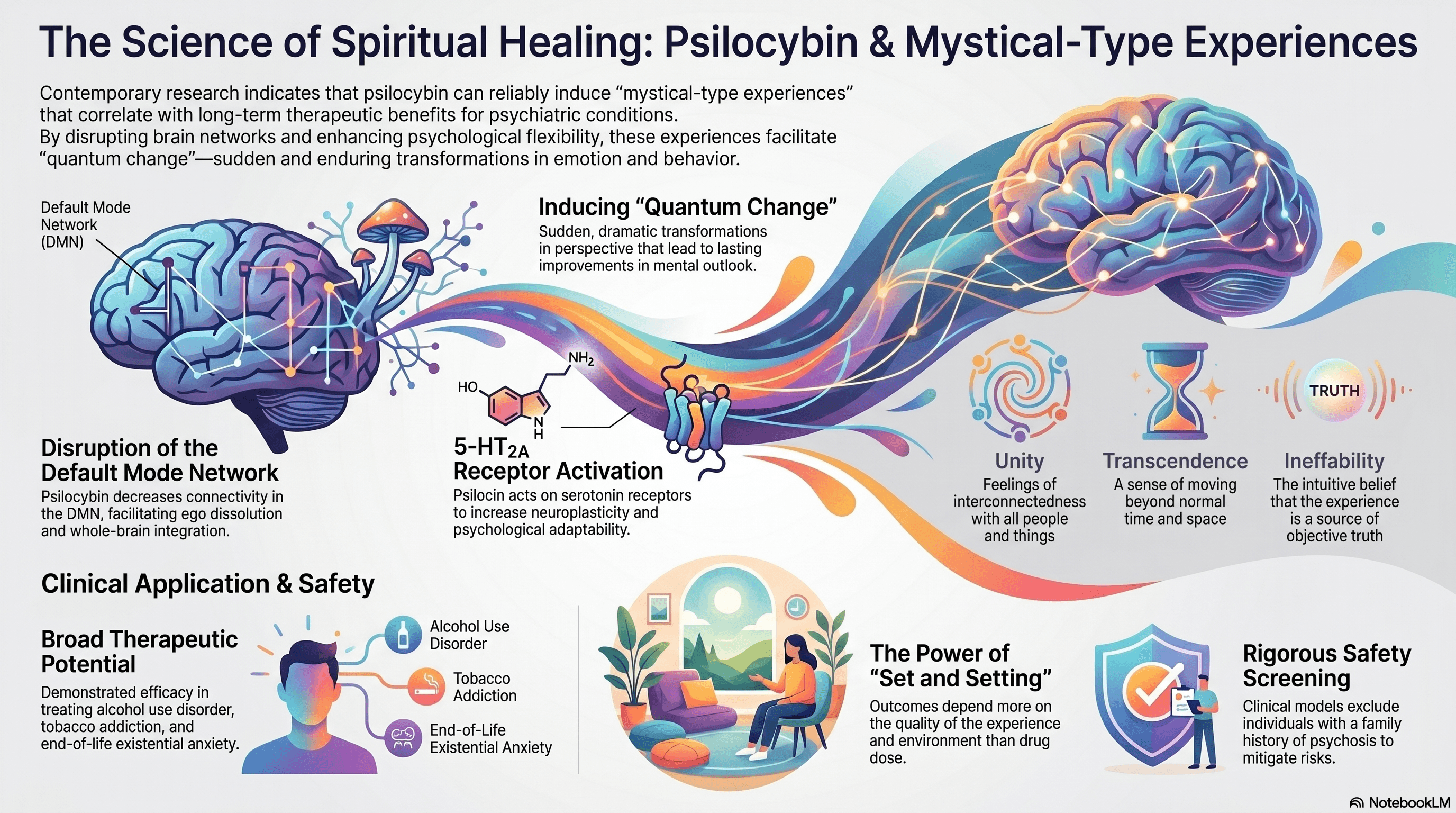
Controlled trials show promise for hard-to-treat depression, alcohol use disorder, and end-of-life distress, and brain studies show it increases flexibility and forms new connections.
Where the evidence is thin — or cautionary
Most trials are still small or early, effects depend heavily on setting and support, and there are real risks — difficult experiences, and special caution for people with bipolar disorder. It is not an approved medicine.
Watch & listen
52 short, plain-language Psilocybin resources built from the studies below.


The research (32 studies)
Sorted strongest-evidence-first. Each shows a plain-language bottom line and how much weight it can bear. See the plain-language glossary →
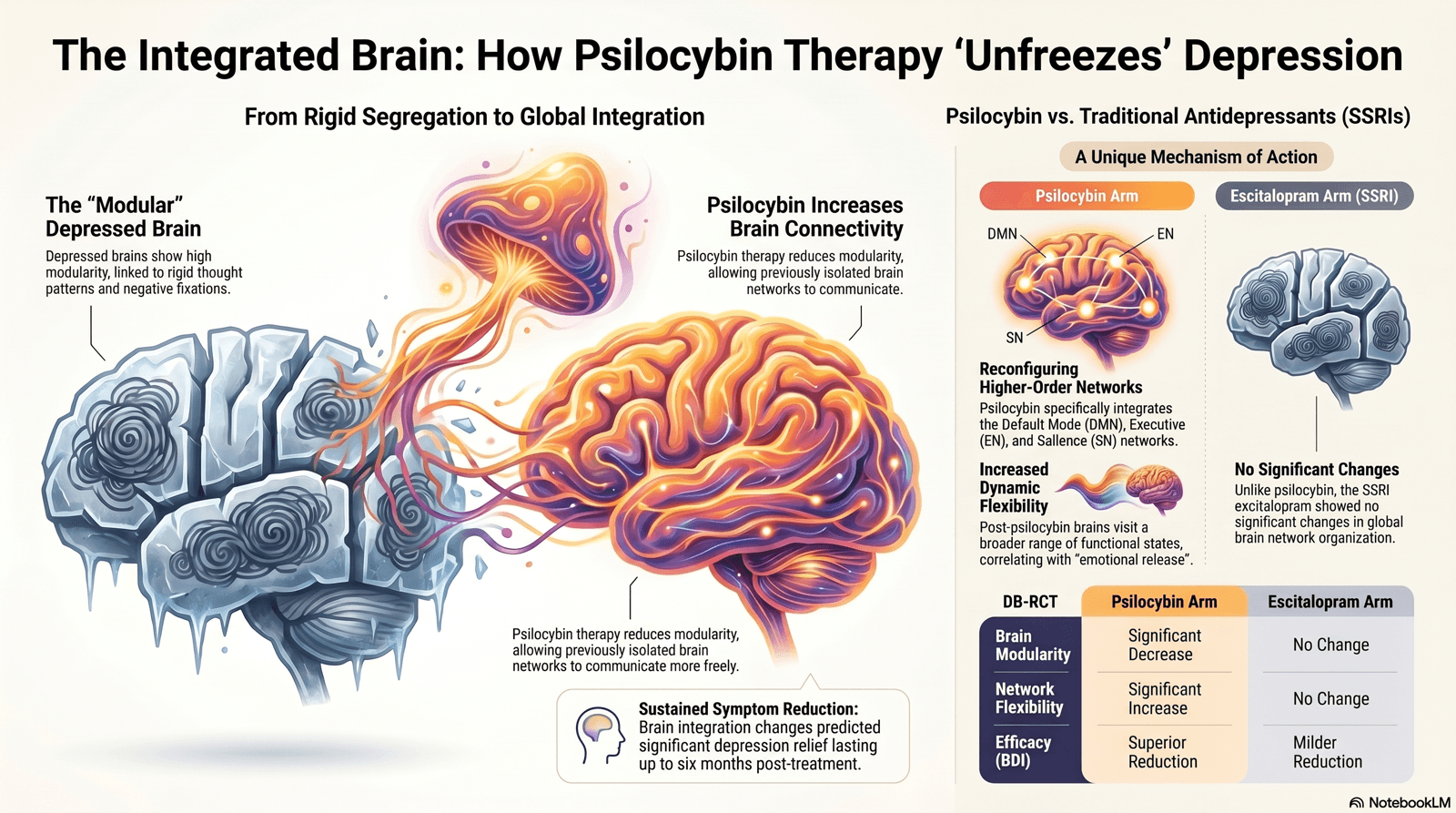
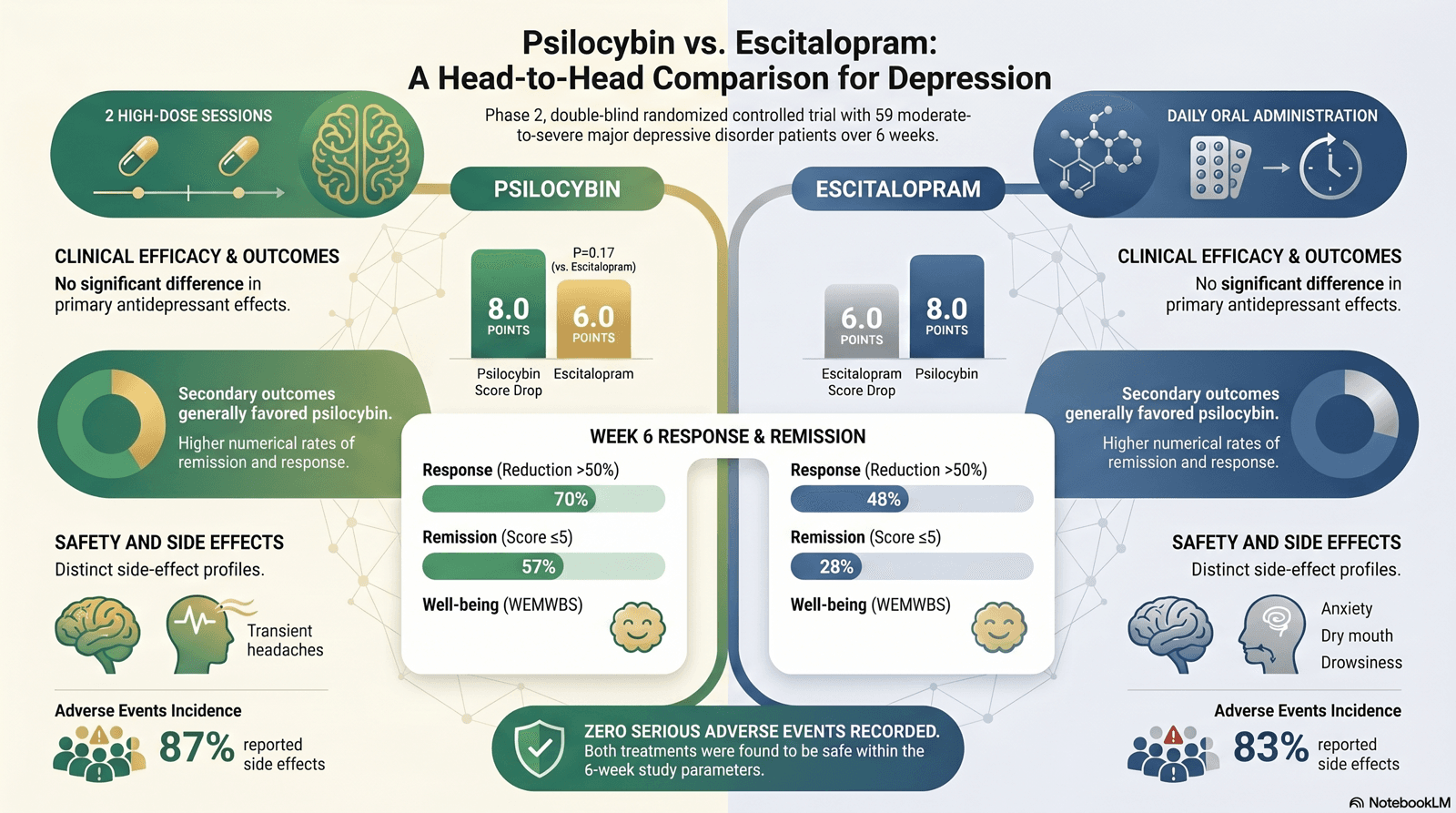
In a careful head-to-head trial, two psilocybin sessions worked about as well as six weeks of a standard antidepressant — and beat it on several secondary measures — though the single main score wasn't a clear-cut win.
Carhart-Harris, R., Giribaldi, B., Watts, R., Baker-Jones, M., Murphy-Beiner, A., Murphy, R., Martell, J., Blemings, A., Erritzoe, D., & Nutt, D. J. (2021). Trial of psilocybin versus escitalopram for depression. New England Journal of Medicine, 384(15), 1402–1411.
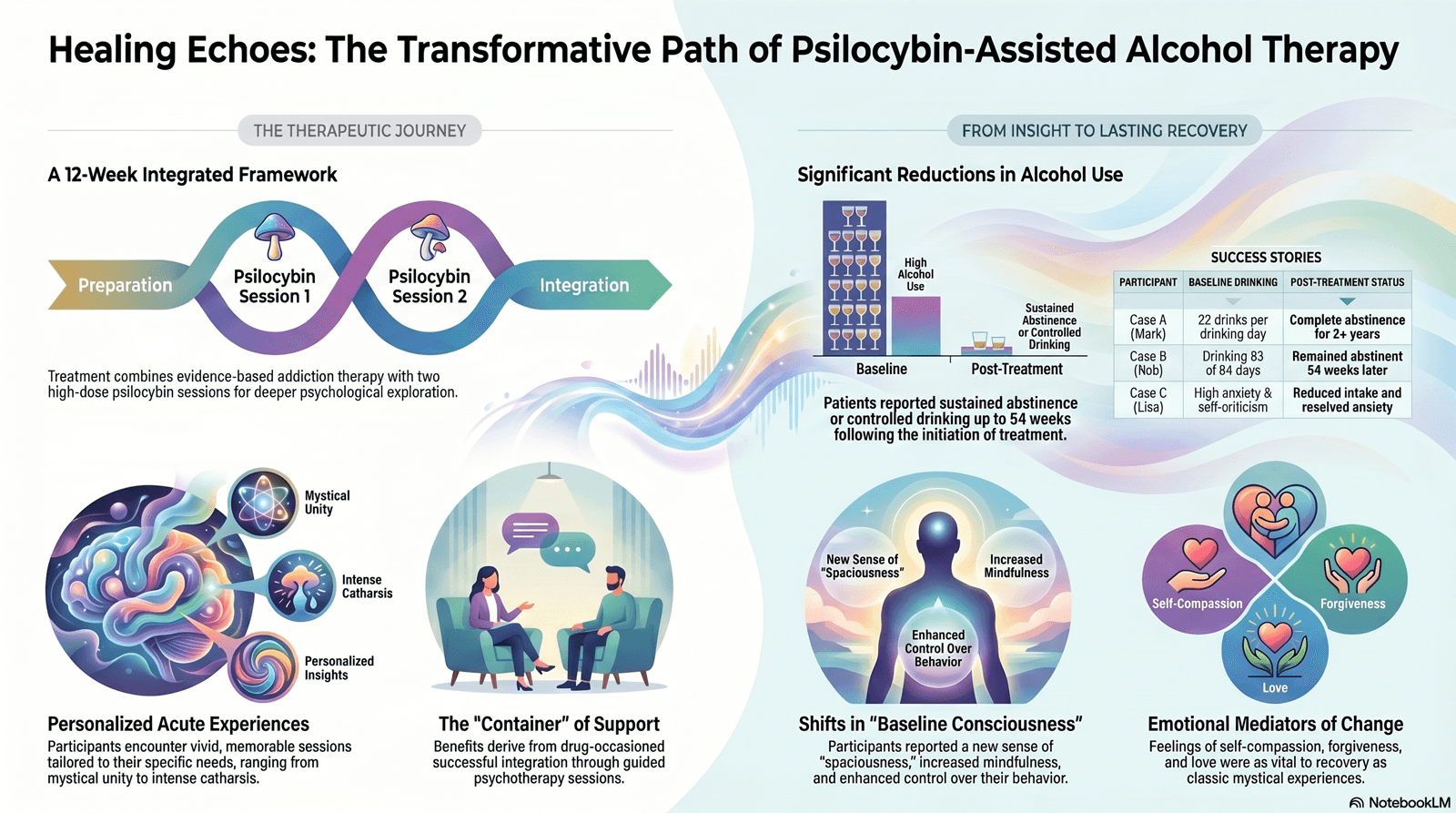
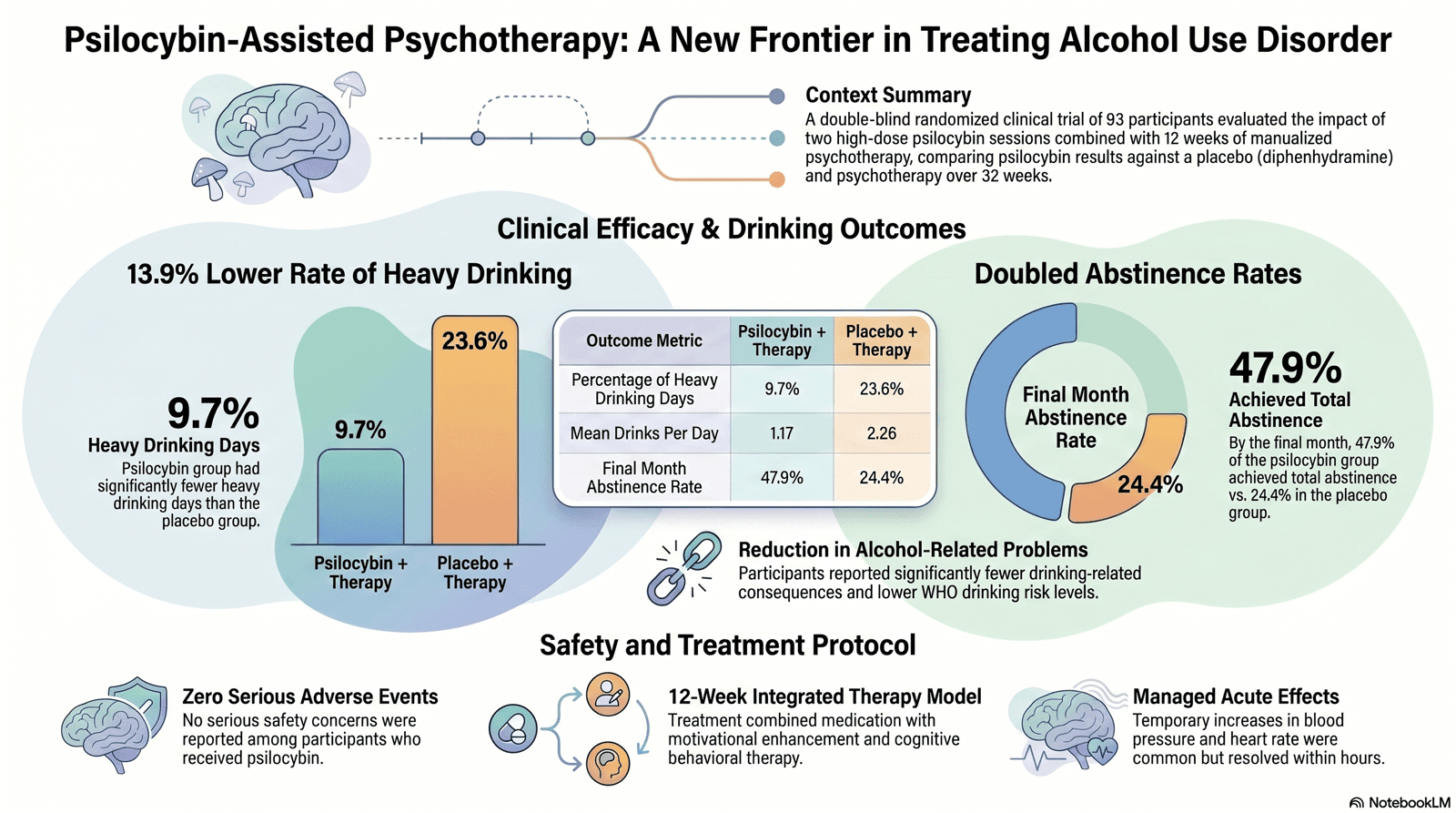
In a rigorous trial of nearly 100 adults, psilocybin plus therapy cut heavy-drinking days far more than a placebo — some of the strongest evidence yet that it can help with alcohol use disorder.
Bogenschutz, M. P., Ross, S., Bhatt, S., Baron, T., Forcehimes, A. A., Laska, E., Mennenga, S. E., O'Donnell, K., Owens, L. T., Podrebarac, S., Rotrosen, J., Tonigan, J. S., & Worth, L. (2022). Percentage of heavy drinking days following psilocybin-assisted psychotherapy vs placebo in the treatment of adult patients with alcohol use disorder: A randomized clinical trial. JAMA Psychiatry, 79(10), 953–962.
In a trial of 24 adults with depression, two psilocybin sessions produced fast, large improvements — 71% responded and over half were in remission a month later — though the study was small.
Davis, A. K., Barrett, F. S., May, D. G., Cosimano, M. P., Sepeda, N. D., Johnson, M. W., Finan, P. H., & Griffiths, R. R. (2021). Effects of psilocybin-assisted therapy on major depressive disorder: A randomized clinical trial. JAMA Psychiatry, 78(5), 481–489.
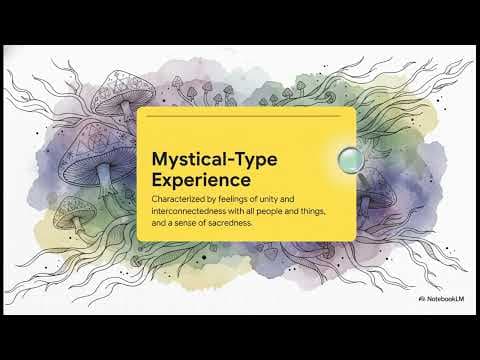
The landmark study that restarted modern psychedelic research: most volunteers rated a high-dose psilocybin session among the most meaningful experiences of their lives, with positive changes still there two months later.
Griffiths, R. R., Richards, W. A., McCann, U., & Jesse, R. (2006). Psilocybin can occasion mystical-type experiences having substantial and sustained personal meaning and spiritual significance. Psychopharmacology, 187(3), 268–292.
A controlled trial pitting psilocybin against the nicotine patch for quitting smoking — a big step up from the earlier uncontrolled pilot, strengthening the case that psilocybin can help people quit.
Johnson, M. W., Naudé, G. P., Hendricks, P. S., & Garcia-Romeu, A. (2026). Psilocybin or nicotine patch for smoking cessation: A pilot randomized clinical trial. JAMA Network Open, 9(3), e260972.
26 Canadians who received psilocybin therapy through a special-access program reported real, lasting improvements in their mental health. It wasn't a controlled trial, but it's a valuable look at how the treatment works outside the lab.
de la Salle, S., Kettner, H., Thibault Lévesque, J., Garel, N., Dames, S., Patchett-Marble, R., Rej, S., Gloeckler, S., Erritzoe, D., Carhart-Harris, R., & Greenway, K. T. (2024). Longitudinal experiences of Canadians receiving compassionate access to psilocybin-assisted psychotherapy. Scientific Reports, 14, 15353.
People who score high on the personality trait 'neuroticism' were more likely to have a difficult or frightening psilocybin experience — a clue that screening and good preparation matter.
Barrett, F. S., Johnson, M. W., & Griffiths, R. R. (2017). Neuroticism is associated with challenging experiences with psilocybin mushrooms. Personality and Individual Differences, 117, 155–160.
Brain scans of 20 people with hard-to-treat depression showed psilocybin therapy calmed an overactive 'self-focus' network and increased emotional response — changes that tracked with feeling less depressed.
Carhart-Harris, R. L., Roseman, L., Bolstridge, M., Demetriou, L., Pannekoek, J. N., Wall, M. B., Tanner, M., Kaelen, M., McGonigle, J., Murphy, K., Leech, R., Curran, H. V., & Nutt, D. J. (2017). Psilocybin for treatment-resistant depression: fMRI-measured brain mechanisms. Scientific Reports, 7, 13187.
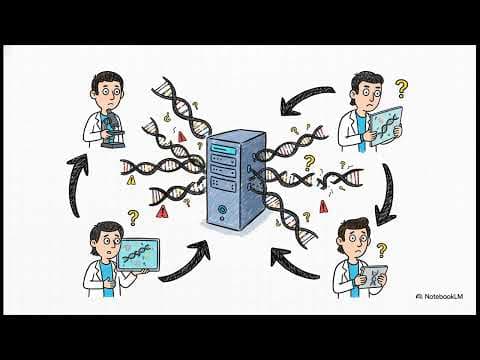
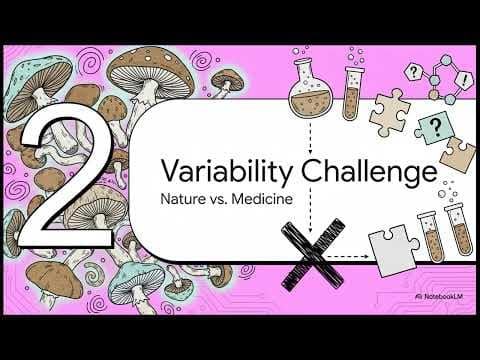
When scientists DNA-tested museum mushroom specimens, many were mislabeled and their psilocybin levels varied wildly — a reminder you can't judge a Psilocybe by its looks, which matters for research quality.
Bradshaw, A. J., Backman, T. A., Ramírez-Cruz, V., Forrister, D. L., Winter, J. M., Guzmán-Dávalos, L., Furci, G., Stamets, P., & Dentinger, B. T. M. (2022). DNA authentication and chemical analysis of Psilocybe mushrooms reveal widespread misdeterminations in fungaria and inconsistencies in metabolites. Applied and Environmental Microbiology, 88(24), e01498-22.
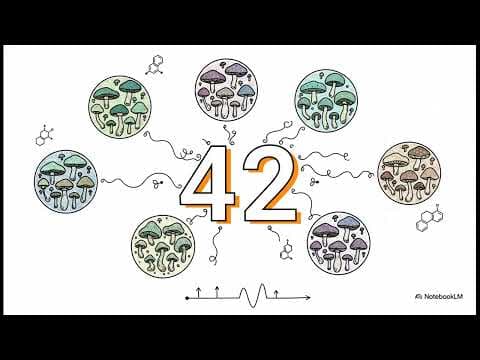
Testing 42 mushroom strains showed their active-compound levels differ a lot, even within the same species — strong evidence that 'standardized' doses need careful lab measurement.
Cohen, J., Sulimani, L., Procaccia, S., Lerenthal, Y., Milay, L., Taran, I., Shapira, A., & Meiri, D. (2025). Comprehensive analysis of 42 psilocybin-producing fungal strains reveals metabolite diversity and species-specific clusters. Scientific Reports, 15(1), Article 13822.
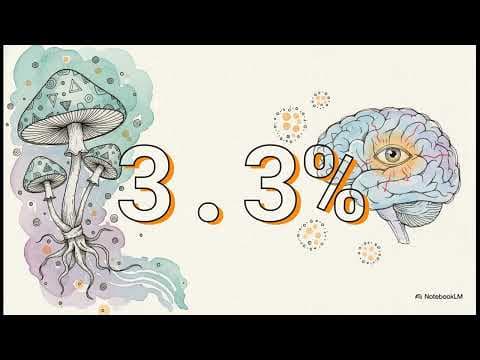
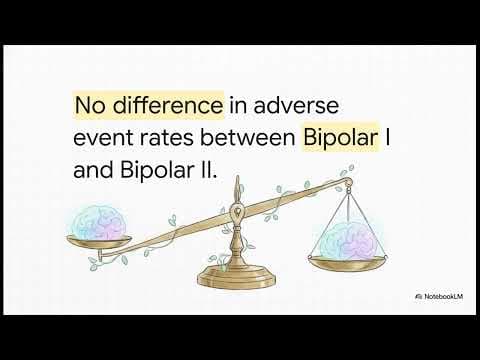
In a survey of 541 people with bipolar disorder who'd used psilocybin, most reported benefits — but a meaningful minority had manic episodes, so bipolar disorder calls for real caution.
Morton, E., Sakai, K., Ashtari, A., Pleet, M., Michalak, E. E., & Woolley, J. (2022). Risks and benefits of psilocybin use in people with bipolar disorder: An international web-based survey on experiences of 'magic mushroom' consumption. Journal of Psychopharmacology, 37(1), 49–60.
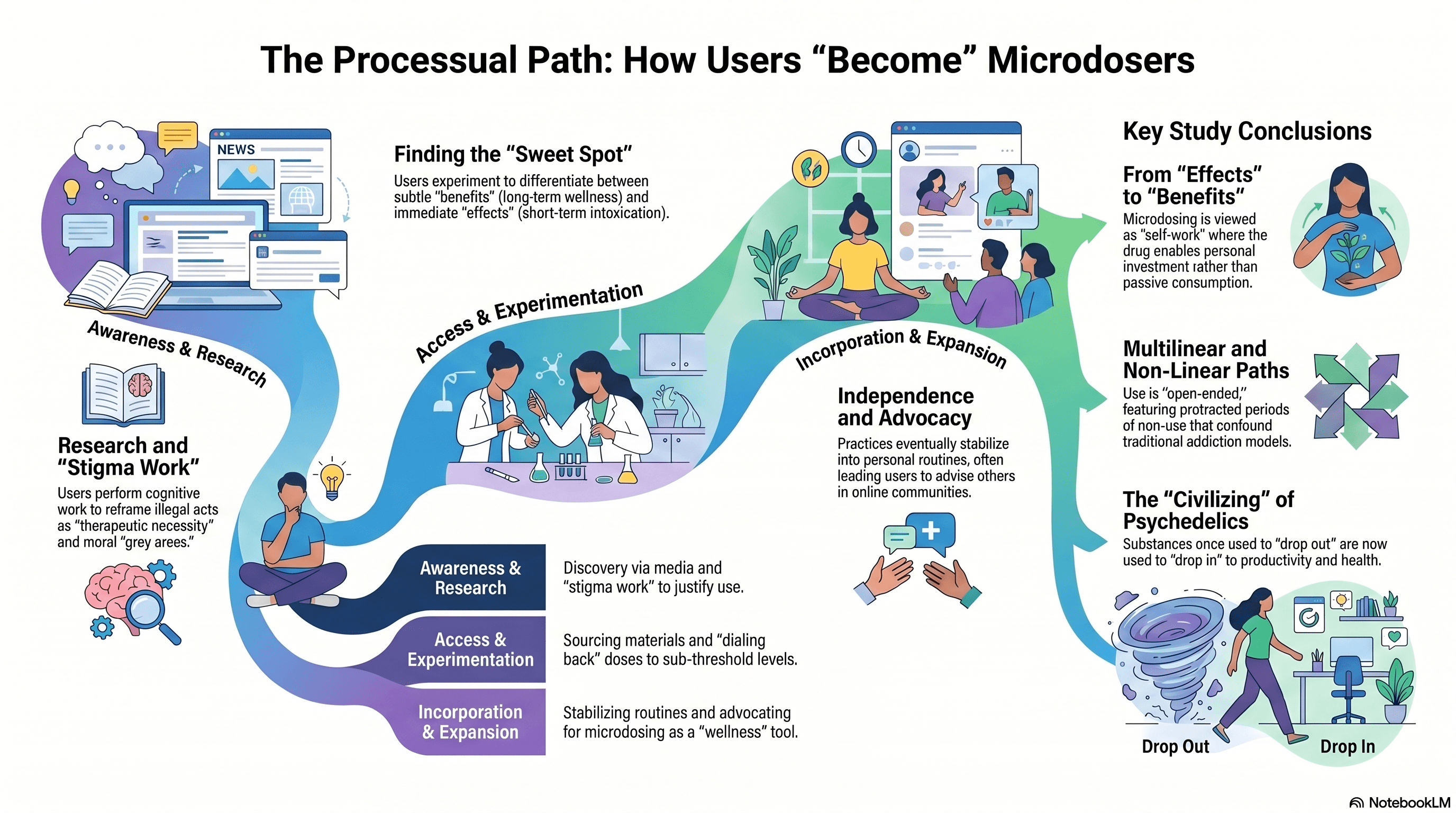
In-depth interviews show psilocybin microdosing isn't one fixed thing — the effects shift over time and vary a lot from person to person, pushing back on the idea that it reliably boosts performance.
Hughes, J., Stuart-Bennett, J., Dunning, M., & Farrimond, H. (2025). Towards a dynamic processual model of psychedelic microdosing. International Journal of Drug Policy, 136, 104691.
In a survey of people who had a 'bad trip' on psilocybin mushrooms, most still rated the difficult experience as meaningful afterward — but some reported lasting harm, so these experiences cut both ways.
Carbonaro, T. M., Bradstreet, M. P., Barrett, F. S., MacLean, K. A., Jesse, R., Johnson, M. W., & Griffiths, R. R. (2016). Survey study of challenging experiences after ingesting psilocybin mushrooms: Acute and enduring positive and negative consequences. Journal of Psychopharmacology, 30(12), 1268–1278.
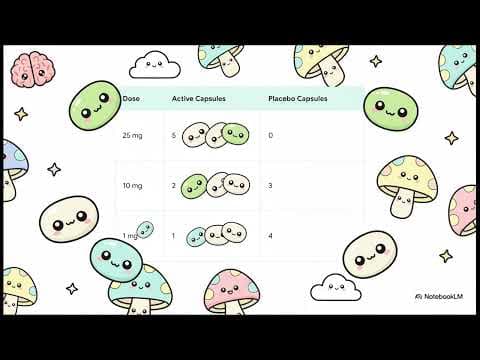
Testing 5–30 mg doses in healthy volunteers, higher psilocybin doses produced stronger 'mystical' experiences with no serious heart or safety problems — the data used to set doses in later trials.
Nicholas, C. R., Henriquez, K. M., Gassman, M. C., Cooper, K. M., Muller, D., Hetzel, S., Brown, R. T., Cozzi, N. V., Thomas, C., & Hutson, P. R. (2018). High dose psilocybin is associated with positive subjective effects in healthy volunteers. Journal of Psychopharmacology, 32(7), 770–778.
Listening to people in a psilocybin-for-alcohol trial, researchers found that the personal insights and emotions of the session — not just the drug — seemed central to cutting back on drinking.
Bogenschutz, M. P., Podrebarac, S. K., Duane, J. H., Amegadzie, S. S., Malone, T. C., Owens, L. T., Ross, S., & Mennenga, S. E. (2018). Clinical interpretations of patient experience in a trial of psilocybin-assisted psychotherapy for alcohol use disorder. Frontiers in Pharmacology, 9, Article 100.
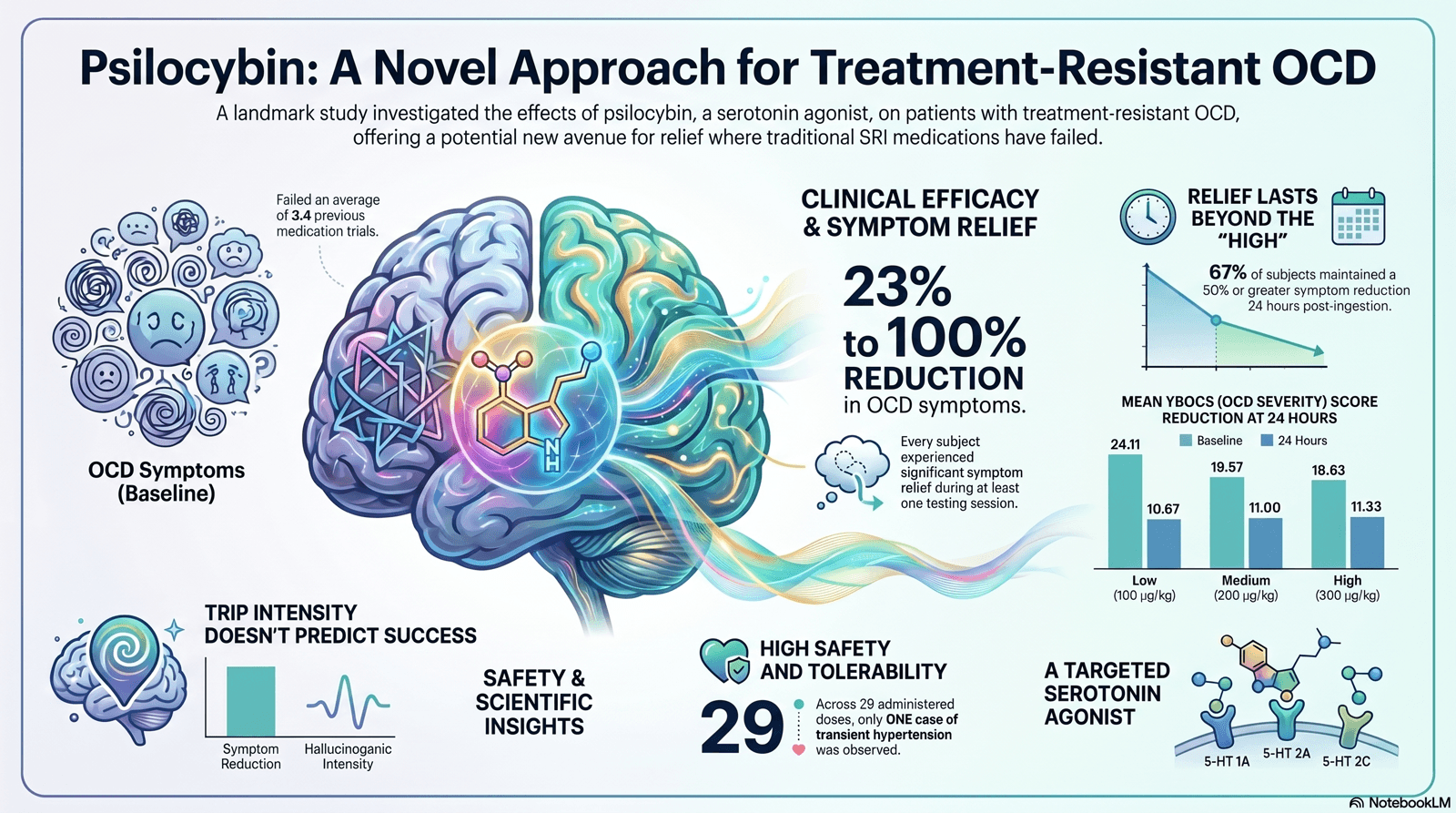
In an early test with nine people who had hard-to-treat OCD, psilocybin was safe and briefly reduced symptoms — promising enough to justify larger studies.
Moreno, F. A., Wiegand, C. B., Taitano, E. K., & Delgado, P. L. (2006). Safety, tolerability, and efficacy of psilocybin in 9 patients with obsessive-compulsive disorder. The Journal of Clinical Psychiatry, 67(11), 1735–1740.
Brain scans showed psilocybin therapy made depressed patients' brain networks more flexible and connected — a change linked to feeling better, and one not seen with a standard antidepressant.
Daws, R. E., Timmermann, C., Giribaldi, B., Sexton, J. D., Wall, M. B., Erritzoe, D., Roseman, L., Nutt, D., & Carhart-Harris, R. (2022). Increased global integration in the brain after psilocybin therapy for depression. Nature Medicine, 28(4), 844–851.
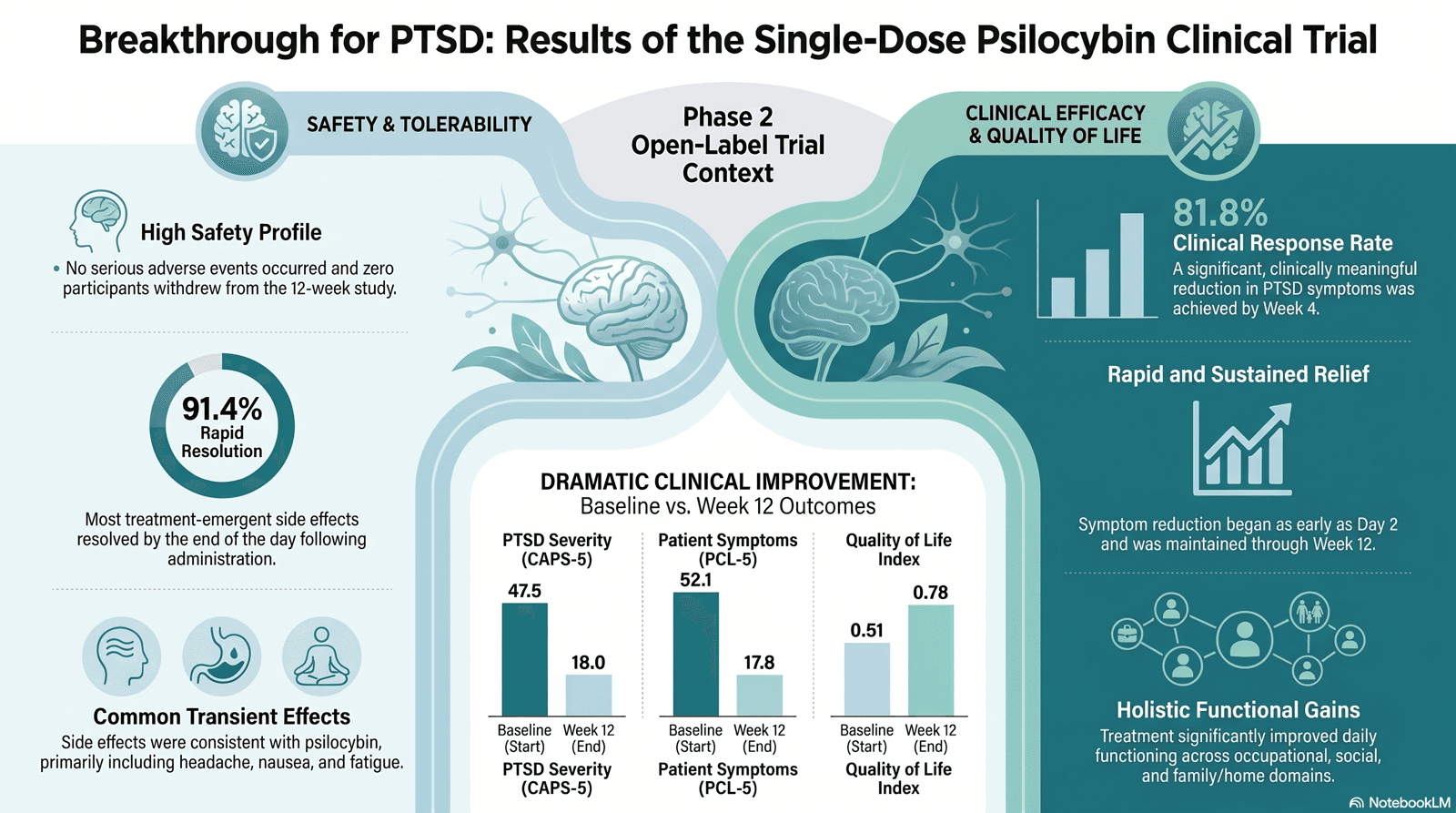
An early study (where everyone knew they were getting the drug) found a single psilocybin dose was generally safe for PTSD and showed signs of improvement — bigger controlled trials are still needed.
McGowan, N. M., Rucker, J. J., Yehuda, R., Agrawal, M., Modlin, N. L., Simmons, H., Tofil-Kaluza, A., Das, S., & Goodwin, G. M. (2025). Investigating the safety and tolerability of single-dose psilocybin for post-traumatic stress disorder: A nonrandomized open-label clinical trial. Journal of Psychopharmacology, 40(1), 139–148.
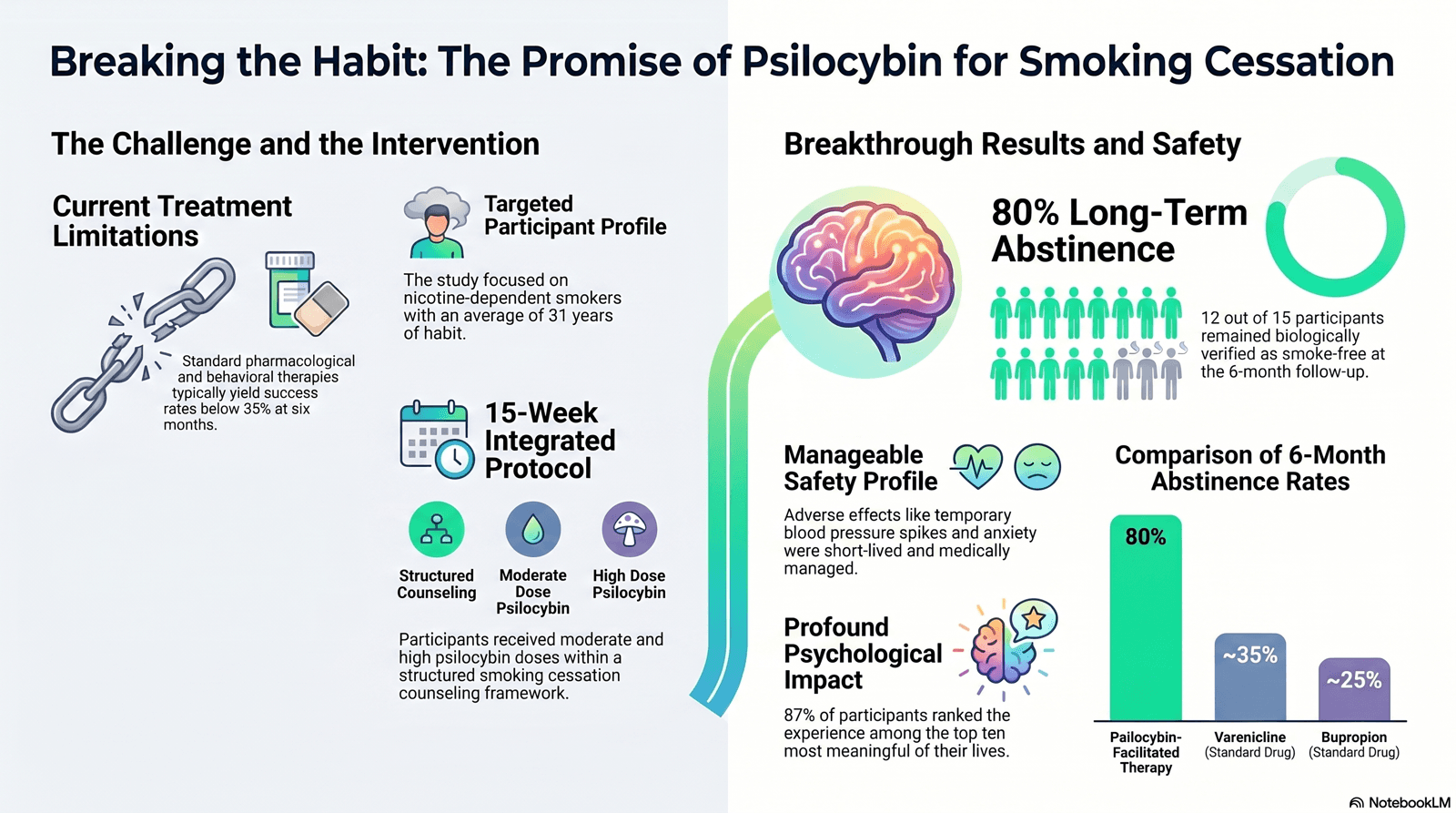
In a small quit-smoking program, 12 of 15 long-term smokers were still smoke-free six months after their psilocybin sessions — a striking result, but with no comparison group.
Johnson, M. W., Garcia-Romeu, A., Cosimano, M. P., & Griffiths, R. R. (2014). Pilot study of the 5-HT2A receptor agonist psilocybin in the treatment of tobacco addiction. Journal of Psychopharmacology, 28(11), 983–992.
The first look at Oregon's legal, regulated psilocybin services — who used them, why, and how safe it was in practice. Real-world data that complements the controlled trials.
Yu, F., Tafur, J., Moreno, F., & Dahmer, S. (2026). Inaugural year of regulated psilocybin services in Oregon: Safety, motivations, and utilization. Frontiers in Psychiatry, 17, 1777387.
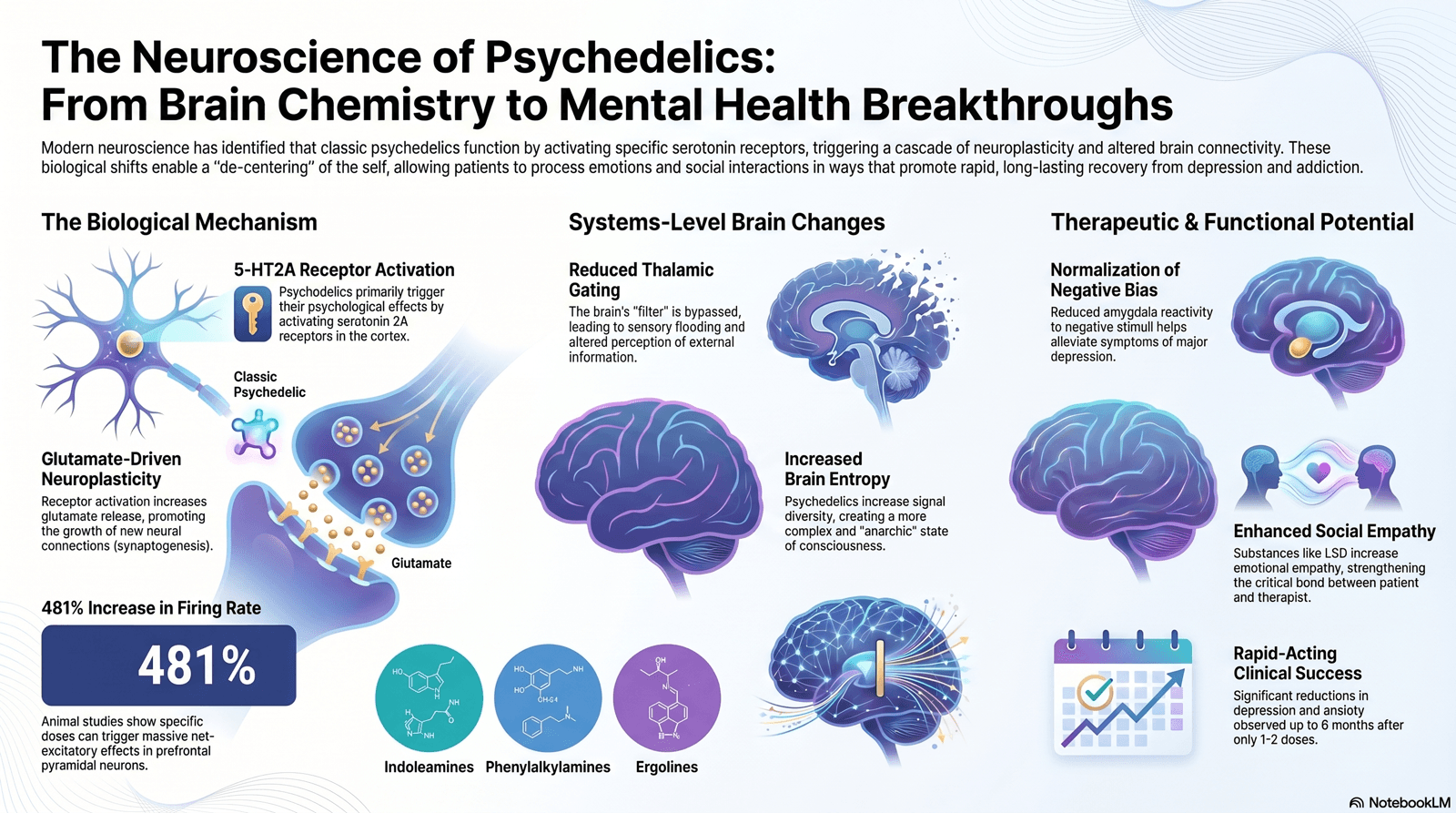
In mice, a single dose of psilocybin quickly grew new connections between brain cells and undid stress-related damage — a strong clue to how it may work, though not yet shown this way in people.
Shao, L. X., Liao, C., Bhatt, D. L., & Bhatt, D. (2021). Psilocybin induces rapid and persistent growth of dendritic spines in frontal cortex in vivo. Neuron, 109(16), 2535–2544.
Pulling together many interview-based studies, patients describe psilocybin therapy as emotionally powerful and meaningful — with the bond with the therapist and the 'integration' work afterward mattering as much as the drug itself.
Crowe, M., Manuel, J., Carlyle, D., & Lacey, C. (2023). Experiences of psilocybin treatment for clinical conditions: A qualitative meta-synthesis. International Journal of Mental Health Nursing, 32(4), 1025–1037.
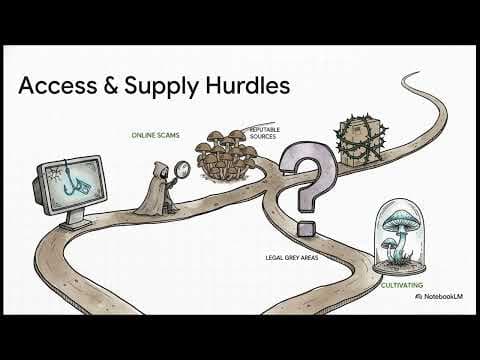
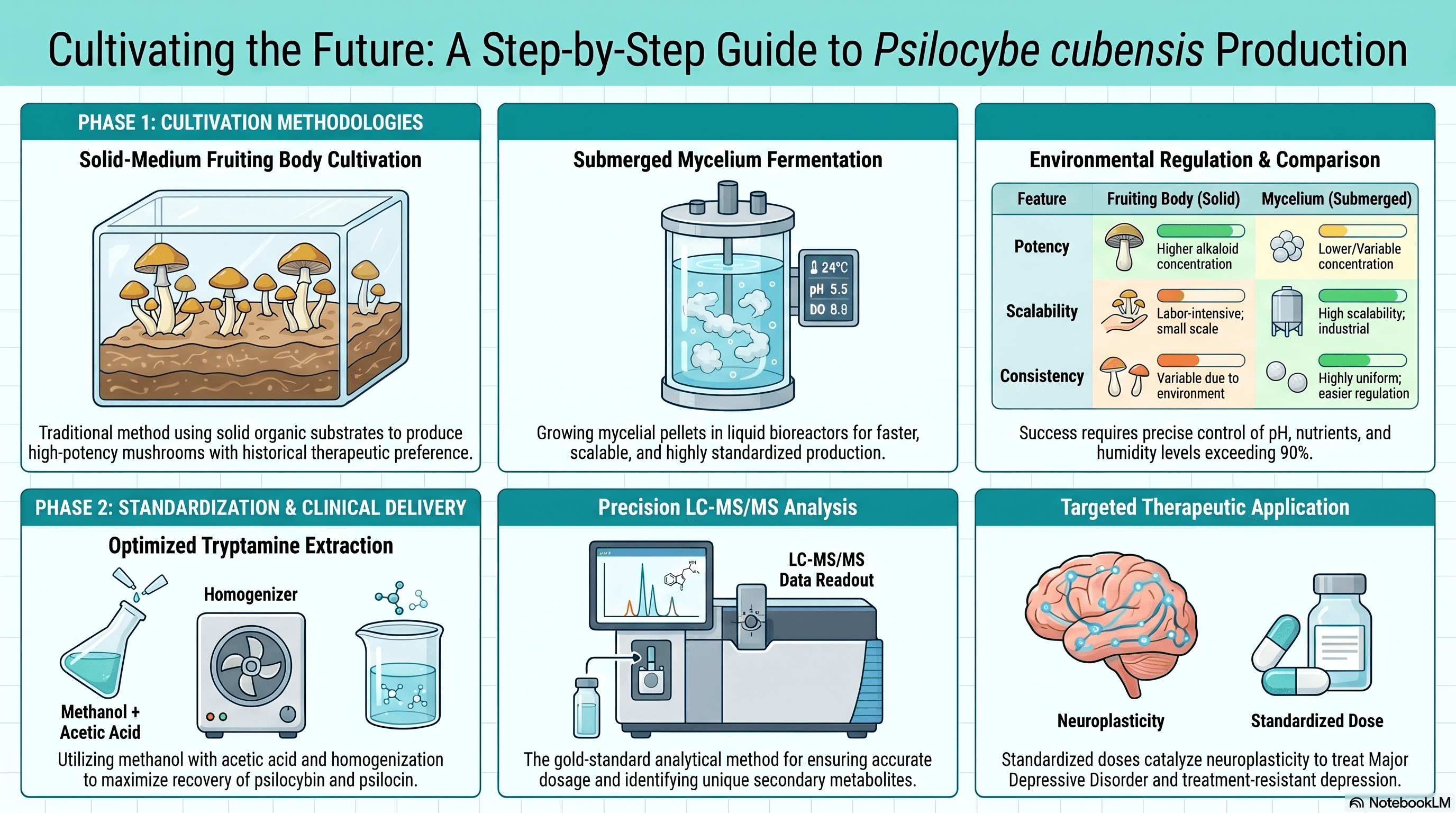
A big-picture review of how Psilocybe cubensis is grown, the active compounds it makes, and the genetics behind them — and how much still isn't standardized from one strain to the next.
Kurzbaum, E., Páleníček, T., Sharchaton, A., Azerrad, S., & Dekel, Y. (2025). Exploring Psilocybe cubensis strains: Cultivation techniques, psychoactive compounds, genetics and research gaps. Journal of Fungi, 11(2), Article 99.
The intensity of the 'mystical' part of a psilocybin session seems to predict how much lasting benefit people get — a sign the experience itself is part of how the therapy works.
James, E., Robertshaw, T. L., Hoskins, M., & Sessa, B. (2020). Psilocybin occasioned mystical-type experiences. Human Psychopharmacology: Clinical and Experimental, 35(5), e2742.
A clear overview of psilocybin as a possible treatment — how it acts in the brain and what trials show for depression, anxiety, addiction, and end-of-life distress.
Lowe, H., Toyang, N., Steele, B., Valentine, H., Grant, J., Ali, A., Ngwa, W., & Gordon, L. (2021). The therapeutic potential of psilocybin. Molecules, 26(10), 2948.
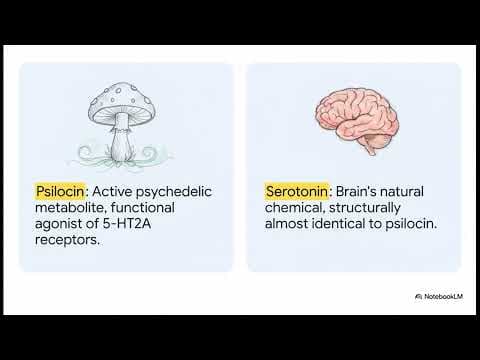
An early, foundational review of what the body does with psilocybin — how it's converted to its active form, how long it lasts, and how it acts on serotonin receptors.
Passie, T., Seifert, J., Schneider, U., & Emrich, H. M. (2002). The pharmacology of psilocybin. Addiction Biology, 7(4), 357–364.
A clear review of how psychedelics act on the brain's serotonin system and mood networks, and why that may help treat depression, anxiety, and addiction.
Vollenweider, F. X., & Preller, K. H. (2020). Psychedelic drugs: Neurobiology and potential for treatment of psychiatric disorders. Nature Reviews Neuroscience, 21(11), 611–624.
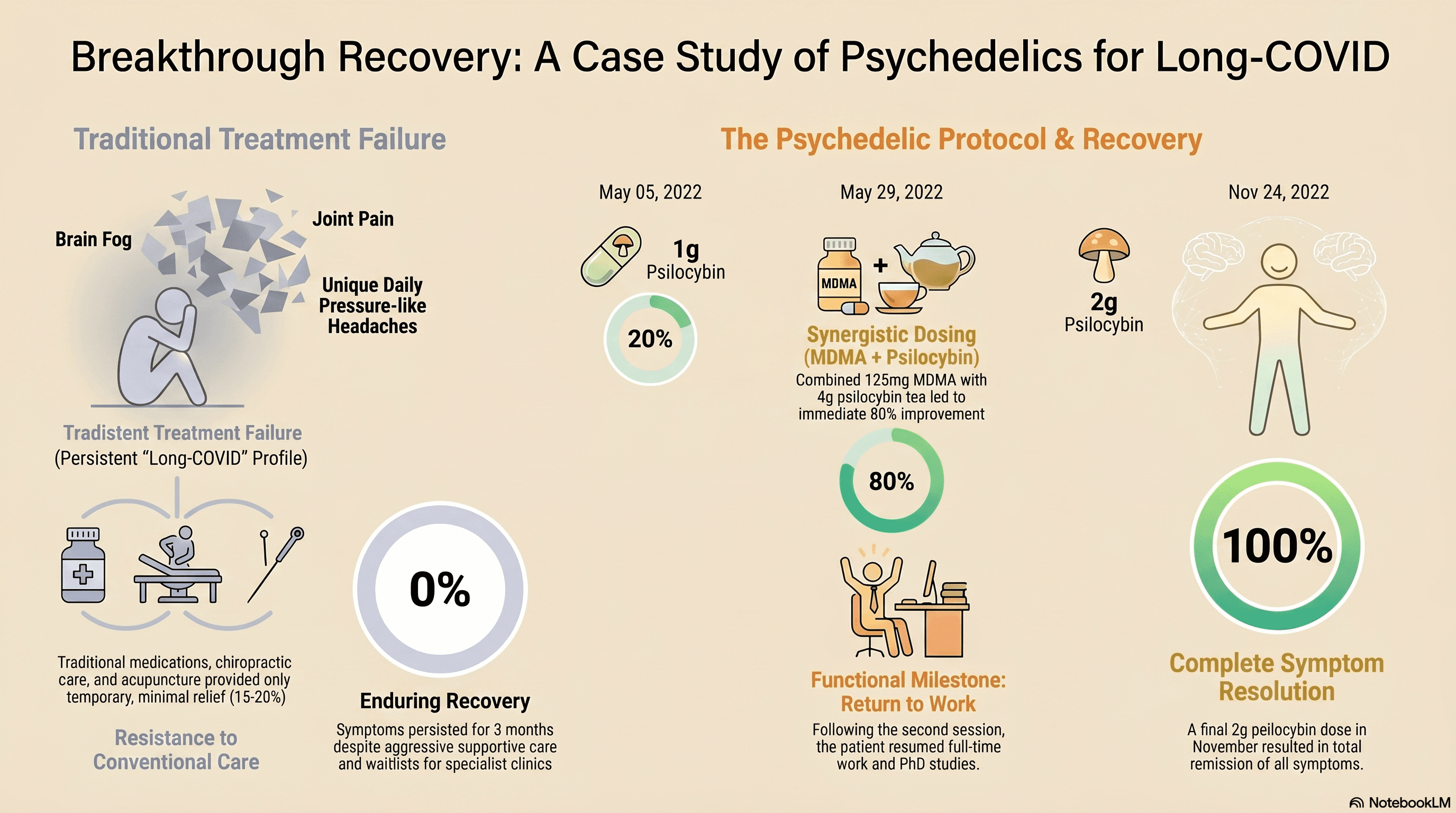
One patient with long-COVID fatigue and brain fog improved after psilocybin and MDMA therapy. A single case can't prove cause and effect, but it opens a question worth studying.
Chopra, H., Furnish, T., Verduzco-Gutierrez, M., Jevotovsky, D. S., & Castellanos, J. (2024). Long-COVID symptoms improved after MDMA and psilocybin therapy: A case report. Clinical Case Reports, 12, e8791.
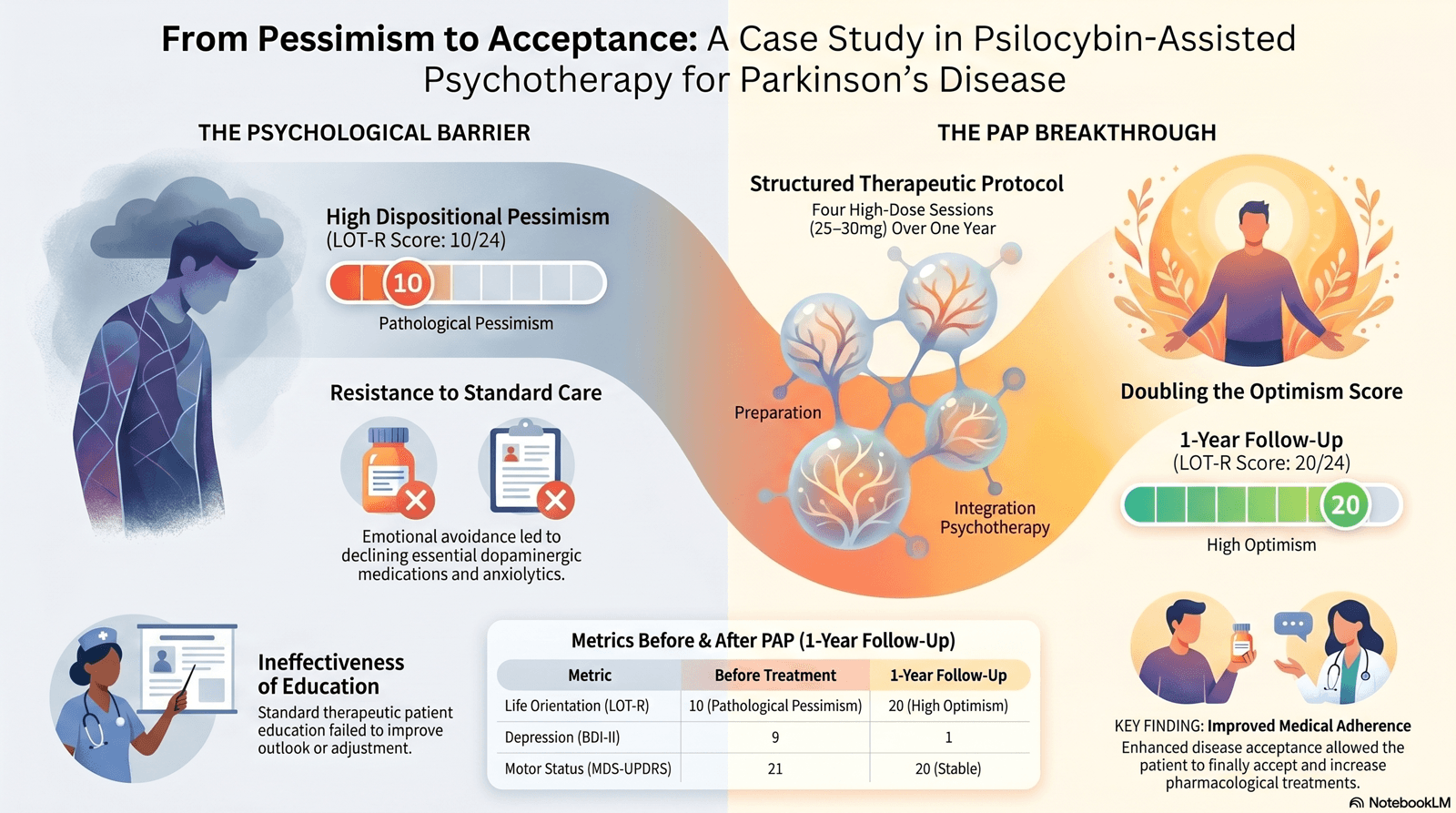
A single patient with Parkinson's became less anxious and more hopeful after psilocybin therapy. One case can't prove it works, but it points to a question worth studying.
Fleury, V., Tomkova, E., Catalano Chiuvé, S., & Penzenstadler, L. (2025). Psilocybin-assisted psychotherapy for Parkinson's disease without depression: A case report. Journal of Parkinson's Disease, 15(2), 440–444.
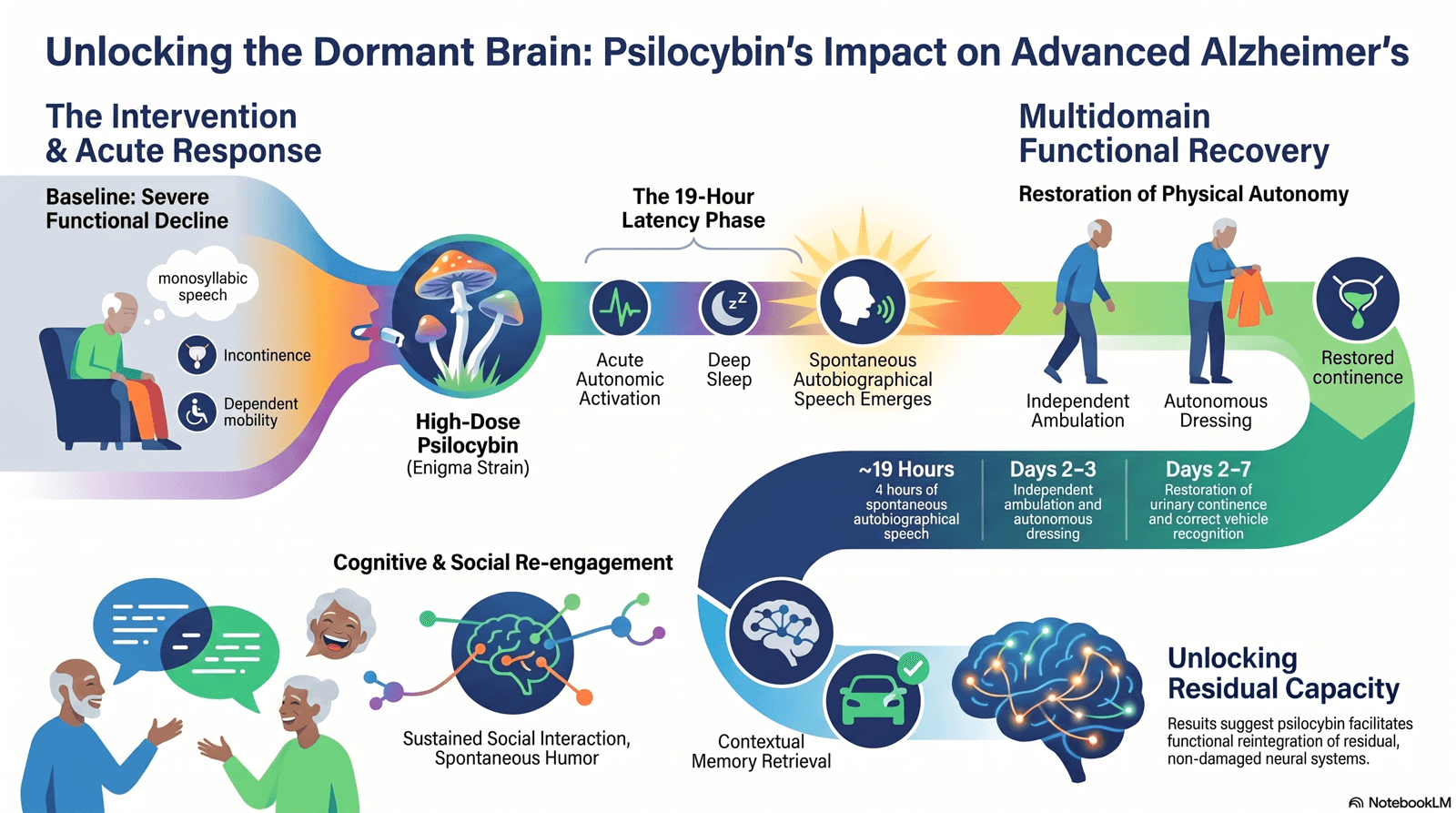
A person with advanced Alzheimer's briefly showed surprising gains in speech and awareness after high-dose psilocybin mushrooms. It's a single, short-lived case — intriguing, but far from proof.
Lago, M., Cerveira, M., & Simonet, J. X. (2026). Transient multidomain functional improvement in advanced Alzheimer's disease following high-dose psilocybin-containing mushroom administration: A case report. Frontiers in Neuroscience, 20, Article 1813281.
The blueprint for the largest psilocybin-for-depression program — it set the doses and methods that later trials followed, but it's a plan, not results.
COMPASS Pathways, Ltd. (2019). Clinical Protocol COMP 001: The Safety and Efficacy of Psilocybin in Participants with Treatment-Resistant Depression (P-TRD) [Clinical trial protocol]. ClinicalTrials.gov Identifier: NCT03775200.
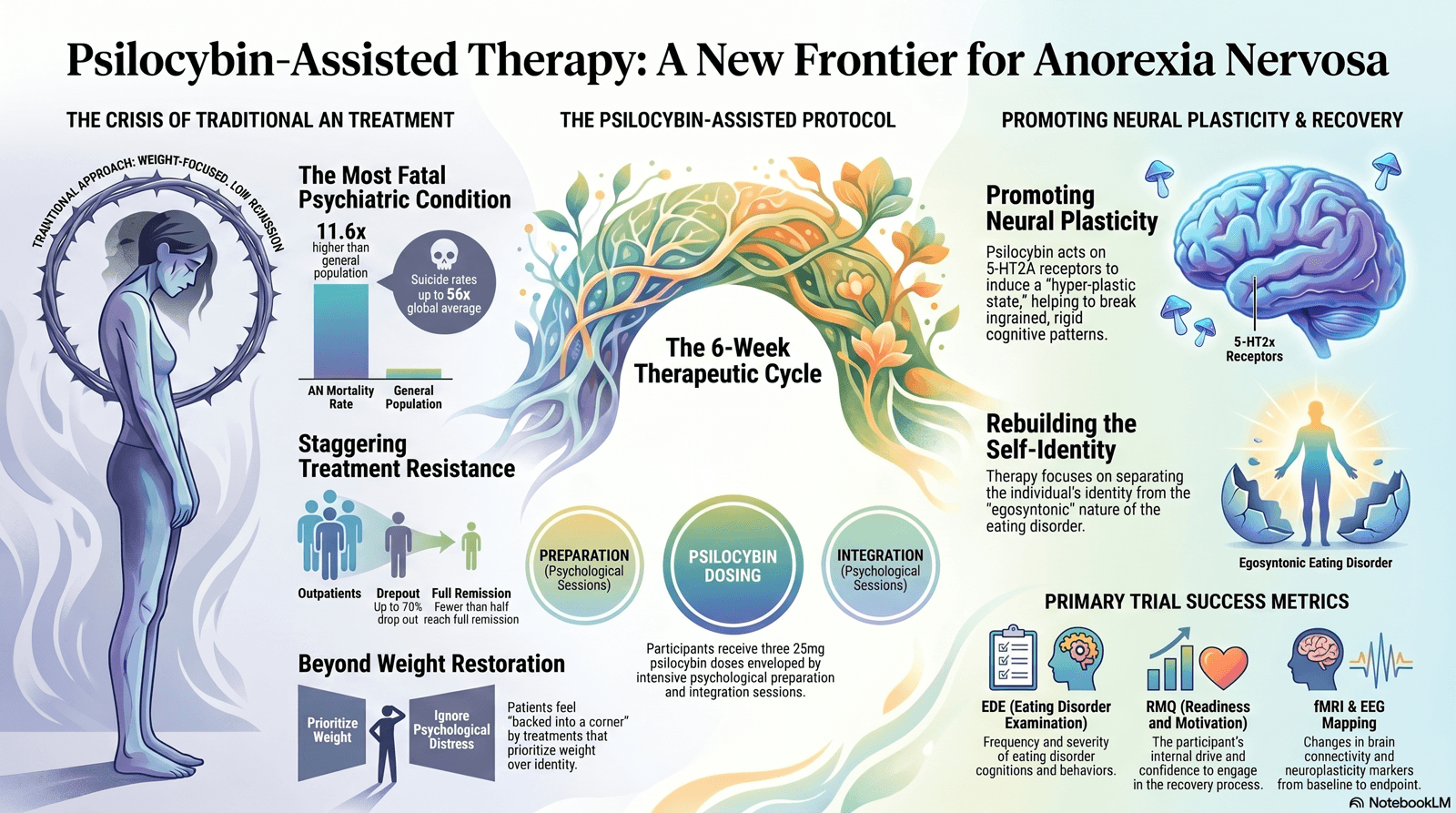
The plan for a trial testing psilocybin for anorexia — it lays out how safety and results will be measured, but doesn't yet show whether the treatment helps.
Spriggs, M. J., Douglass, H. M., Park, R. J., Read, T., Danby, J. L., de Magalhães, F. J. C., Alderton, K. L., Williams, T. M., Blemings, A., Lafrance, A., Nicholls, D. E., Erritzoe, D., Nutt, D. J., & Carhart-Harris, R. L. (2021). Study protocol for "Psilocybin as a treatment for anorexia nervosa: A pilot study". Frontiers in Psychiatry, 12, Article 735523.
Explore Psilocybin spores & cultures
Laboratory-grade Psilocybe cubensis spore syringes for microscopy research. Contaminant-free, discreet US shipping.
Shop the catalog →